
Washington state has updated its Do Not Call laws with stricter rules on telemarketing. Businesses must obtain explicit consent and use opt-in lists, while residents can register numbers on the state's list to block unwanted calls. Fines for non-compliance reach $1,000 per call. A lawyer for Do Not Call Laws Washington is crucial for navigating these changes, assisting with registration, explaining penalties, and providing strategic guidance to protect against intrusive solicitations.
In today's digital age, effective communication is more complex than ever, especially with the proliferation of telemarketing calls. This article delves into the updated definitions that tighten restrictions on telephone solicitations, addressing a pressing issue that impacts millions of individuals across Washington state. With a particular focus on Do Not Call Laws, we explore how these changes enhance consumer privacy and protection. Engaging directly with this topic, we provide valuable insights for both consumers and businesses alike, offering practical guidance to navigate these new regulations, ensuring compliance, and fostering a more respectful and responsive communication environment.
Understanding Updated Do Not Call Laws in Washington

In Washington state, updated definitions and restrictions in Do Not Call laws have significantly tightened regulations around telephone solicitations. These changes aim to protect residents from unwanted calls by clarifying what constitutes a legitimate business call versus harassing solicitation. The new rules define "solicitation" more strictly, focusing on active efforts to promote or sell products or services. This means that simple advertising or informational calls are no longer considered solicitations under the law.
Washington's Do Not Call laws now emphasize consent and opt-out mechanisms. Businesses must obtain explicit consent before making telemarketing calls, and residents have the right to register their phone numbers on the state's Do Not Call list. A lawyer for Do Not Call Laws Washington can provide crucial guidance on navigating these restrictions, ensuring businesses comply with consent requirements, and avoiding penalties for non-compliance. Fines for violating these laws can reach up to $1,000 per call, making it essential for companies to understand and adhere to the updated regulations.
Practical insights reveal that businesses should focus on building opt-in lists through legitimate means, such as customer loyalty programs or online sign-ups. Using automated systems or pre-recorded messages without prior consent is strictly prohibited. Moreover, Washington residents are advised to review their rights and actively manage their call preferences. By registering on the Do Not Call list and clearly communicating their wishes to businesses, residents can reduce unwanted calls significantly. This collaborative effort between businesses and consumers ensures a more peaceful and less intrusive communication environment.
Restricting Solicitors: New Rules and Legal Implications

The updated definitions and restrictions on telephone solicitations aim to protect consumers from unwanted calls, particularly those from professional solicitors. These new rules, implemented by regulatory bodies, significantly tighten the criteria for what constitutes legal solicitation, with a particular focus on limiting the activities of commercial solicitors. The changes highlight a growing concern over the intrusiveness of telemarketing practices and the need to balance business interests with individual privacy rights.
Under the revised regulations, solicitors must adhere to stricter guidelines regarding caller identification, disclosure of intent, and opt-out options. For instance, in Washington state, a lawyer for Do Not Call Laws emphasizes that solicitors must now clearly identify themselves and provide a clear and concise explanation of the purpose behind the call within the initial greeting. Furthermore, consumers have an enhanced right to refuse calls and request removal from solicitation lists, with penalties for non-compliance. These measures aim to empower individuals to take control of their communication preferences.
The legal implications of these restrictions are profound. Solicitors now operate within a tighter legal framework, increasing the risk of non-compliance and subsequent legal repercussions. Businesses must carefully navigate these new rules to avoid costly fines and negative public perception. For instance, failure to honor consumer requests to stop calling can result in substantial penalties and damage a company's reputation. Legal experts suggest that companies invest in robust training programs for their sales and marketing teams to ensure adherence to the evolving regulatory landscape.
Practical advice for businesses includes implementing advanced caller identification systems and automated opt-out mechanisms to streamline compliance. Regular legal reviews are essential to keep up with changing Do Not Call Laws, such as those in Washington, ensuring that solicitation practices remain within legal boundaries. By embracing these changes, companies can foster a more transparent and consumer-friendly business environment while mitigating potential legal risks.
A Lawyer's Guide to Navigating Washington's Do Not Call Registry
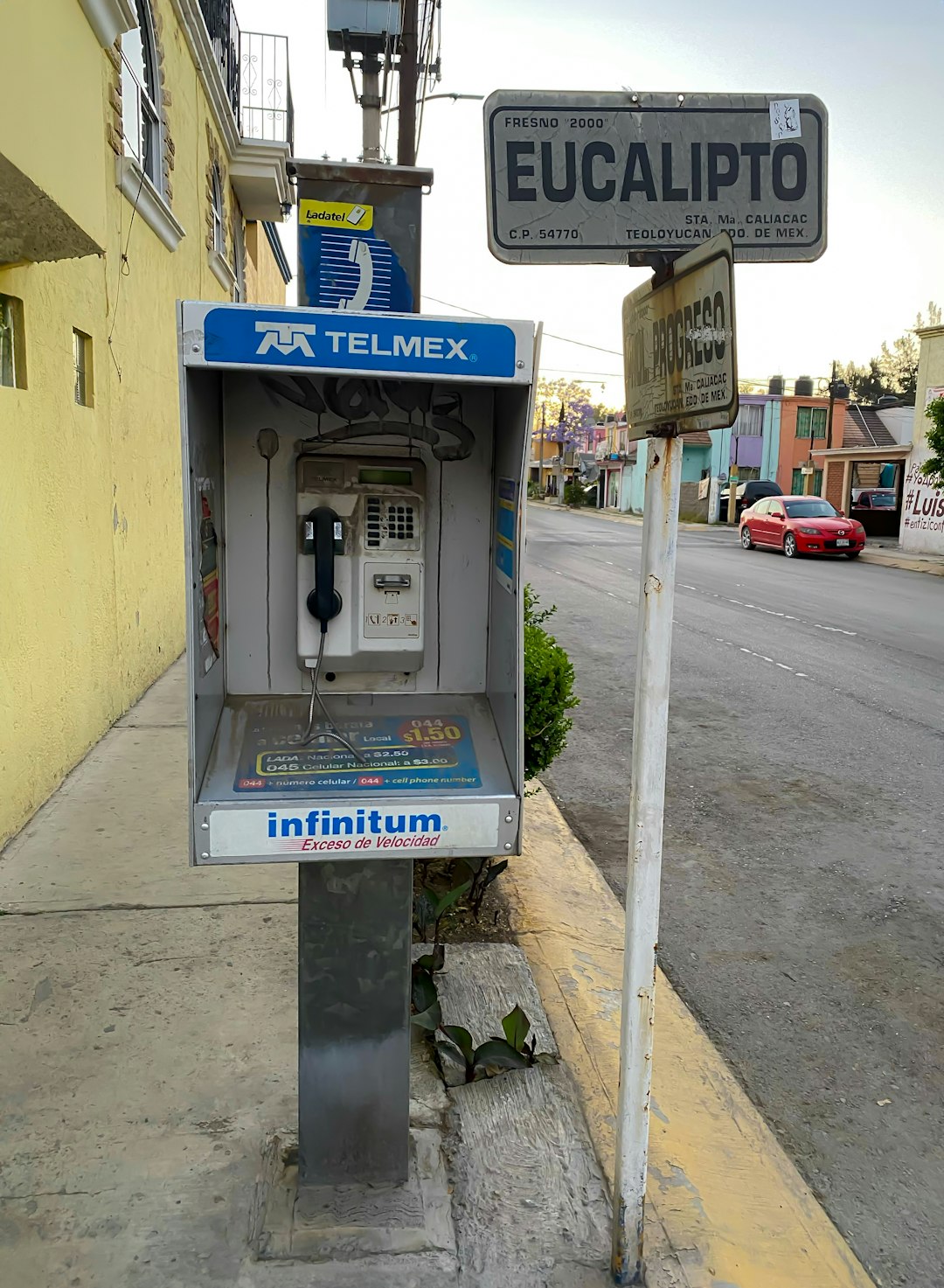
Washington State's Do Not Call Registry has undergone significant updates, refining its restrictions on telephone solicitations and offering a crucial resource for residents seeking to curb unwanted calls. For lawyers navigating the complexities of Washington's telecommunications laws, understanding these changes is essential to effectively guide clients and ensure compliance. This updated registry not only expands protections for consumers but also presents new considerations for legal professionals.
Lawyers specializing in Do Not Call Laws in Washington must familiarize themselves with the revised regulations to provide informed counsel. The primary focus should be on assisting clients in registering their phone numbers, understanding the implications of non-compliance, and exploring legal avenues for addressing violations. For instance, a lawyer for Do Not Call Laws in Washington can help individuals and businesses register their landlines and cell phones, ensuring they are not included in commercial call lists. They can also educate clients on the penalties for violating these laws, which include substantial fines and potential legal repercussions.
Moreover, these updates introduce stricter enforcement mechanisms, increasing the responsibilities of solicitors and call centers. Lawyers should advise clients on documenting all communication with solicitors, including dates, times, and content, as evidence in case of a violation. By staying abreast of these regulatory changes, lawyers can offer strategic guidance tailored to Washington's unique legal landscape, ensuring their clients remain protected from intrusive telephone solicitations.