Washington's Do Not Call laws protect residents from unwanted telemarketing with strict consent requirements. Violations result in penalties up to $500 per violation plus damages. Businesses must verify explicit consent and implement internal policies or face severe consequences. A lawyer for Do Not Call Laws Washington is essential for navigating complexities, ensuring compliance, and avoiding costly mistakes. Stricter enforcement is needed due to evolving telemarketing tactics and consumer frustration. Lawyers play a critical role in guiding clients through regulations, best practices, and risk mitigation strategies.
In the digital age, managing unwanted calls has become a significant concern for many Washington residents. Violations of Do Not Call Laws can lead to relentless telemarketing, causing distress and disrupting daily life. Currently, penalties for these infractions are often considered insufficient, allowing unscrupulous callers to persist despite legal protections. To address this growing issue, we delve into the necessity of stricter enforcement and higher penalties for violators. Engaging with a lawyer specializing in Washington’s Do Not Call Laws is crucial for understanding your rights and pursuing effective remedies against recurring unwanted calls.
Understanding Washington's Do Not Call Laws
Washington’s Do Not Call laws are designed to protect residents from unwanted telemarketing calls and sales pitches. Understanding these regulations is crucial for both businesses and consumers alike. Violating these laws can result in strict penalties, including substantial fines and legal action. A lawyer specializing in Washington’s Do Not Call Laws can offer invaluable guidance and ensure compliance.
The state of Washington maintains a robust “Do Not Call” registry, which is similar to the national Do Not Call Registry but with more stringent provisions. Individuals who register their phone numbers on this list agree not to receive telemarketing calls from certain sources. Businesses must obtain explicit consent before contacting registered numbers, and failure to do so can lead to legal repercussions. For instance, a 2021 study revealed that Washington had one of the highest rates of Do Not Call violations in the nation, underscoring the need for both businesses and residents to familiarize themselves with these laws.
Compliance requires meticulous record-keeping and an understanding of who is exempt from the rules. Non-profit organizations, political campaigns, and certain types of business calls are typically allowed under specific conditions. However, misinterpreting these exemptions can lead to unintentional violations. A lawyer for Do Not Call Laws Washington can help navigate these complexities, ensuring that businesses maintain compliance while avoiding costly mistakes. Regular reviews and updates of internal policies are essential to stay ahead of changing regulations.
Violations: Current Penalties & Consequences
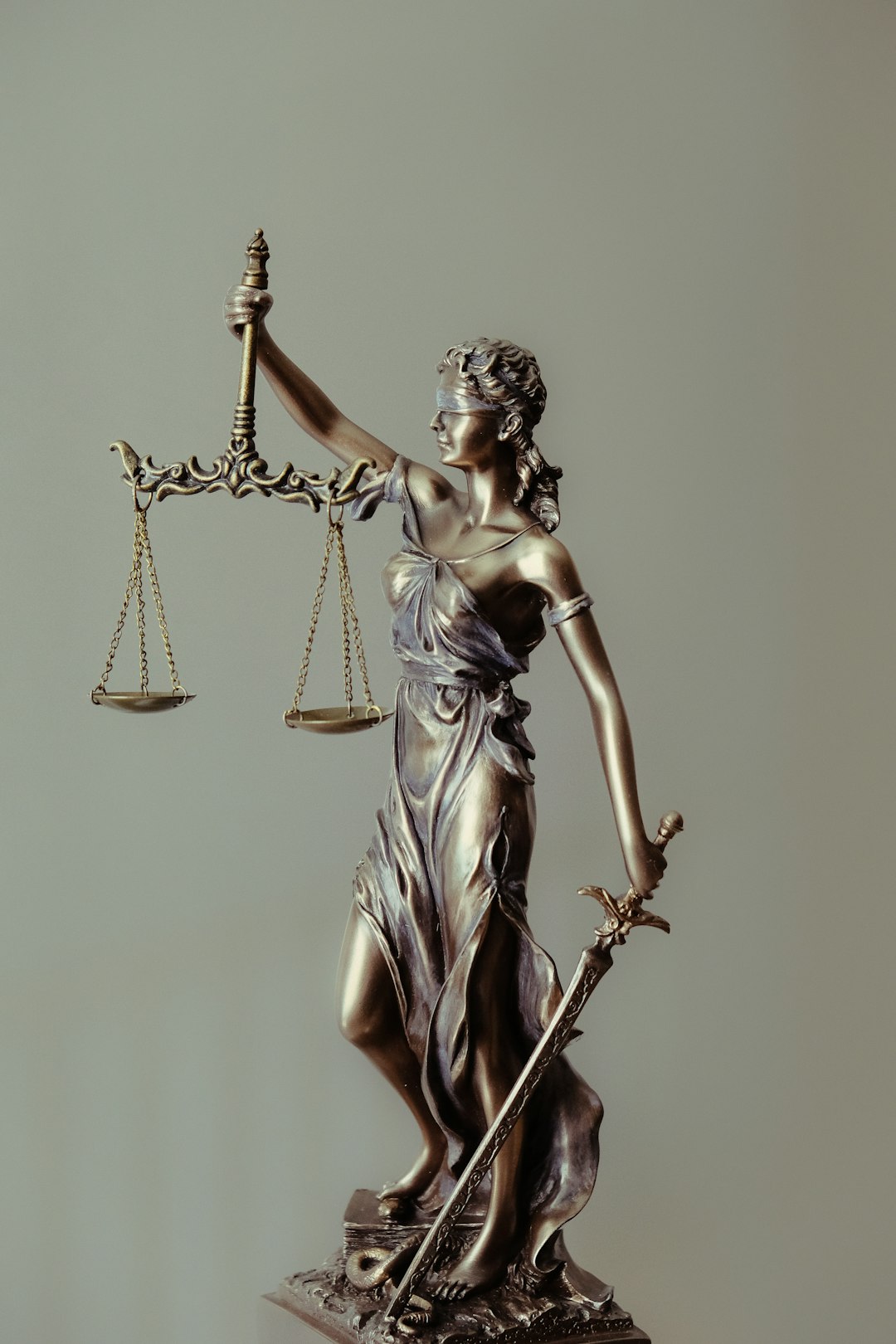
In Washington state, violations of Do Not Call laws carry penalties that range from nominal fines to more substantial consequences, depending on the nature and frequency of the transgressions. Individuals or businesses found in breach of these regulations can expect to face legal repercussions, with a lawyer for Do Not Call Laws Washington serving as a crucial guide through this complex area. The current framework typically levies fines of $500 per violation, with potential additional penalties if the infractions persist. For example, a single unauthorized call to a registered number could result in a relatively minor fine, while repeated or intentional violations may lead to more severe financial punishments and even criminal charges.
Beyond monetary penalties, violators may be required to pay damages for any harm caused to the recipient of the unwanted calls. This can include not only emotional distress but also actual costs incurred by the individual, such as time spent blocking or dealing with the calls. In cases where a business is found guilty of systematic violations, the consequences can be far-reaching, impacting their ability to operate in the state. A lawyer specializing in Washington Do Not Call Laws can help businesses implement effective compliance strategies and mitigate potential risks.
Practical insights for both individuals and companies include thoroughly reviewing call records, ensuring compliance with registration requirements, and implementing robust internal policies against unauthorized calling. For instance, a simple oversight or misunderstanding could lead to a costly lawsuit if left unchecked. By understanding the current penalties and taking proactive measures, entities can navigate these regulations more effectively, fostering a more responsible and respectful communication environment in Washington state.
Arguing for Stricter Enforcement: Legal Perspective
The effectiveness of Washington’s Do Not Call laws, which aim to protect residents from unwanted telemarketing calls, has been a subject of debate among legal experts. While the current regulations offer some safeguards, an increasing number of lawyers for Do Not Call Laws Washington argue that stricter enforcement is necessary to combat the persistent issue of nuisance calls. This perspective gains momentum from several factors, including the evolving nature of telemarketing tactics and the mounting frustration among consumers.
Modern telemarketers employ sophisticated technologies and innovative strategies, making it easier to bypass existing regulations. Automated dialers, for instance, can generate vast numbers of calls, rendering traditional do-not-call lists less effective. Moreover, new forms of communication like text messages and social media interactions have emerged as primary channels for unsolicited marketing, further complicating the enforcement landscape. A survey by the Federal Trade Commission (FTC) revealed that over 90% of consumers receive at least one unwanted telemarketing call per week, highlighting the urgent need for stronger legal measures.
Legal experts advocate for stricter penalties to serve as a powerful deterrent and a means of compensating victims for their privacy rights. They suggest increasing fines and introducing more severe consequences for violations, such as civil lawsuits or criminal charges. For example, some states have implemented class-action litigation options, enabling consumers to collectively sue telemarketers for collective damages. This approach not only deters offenders but also provides a sense of justice for affected individuals. Lawyers specializing in Do Not Call Laws Washington can play a pivotal role in navigating these complex legal frameworks and advocating for reforms that better protect residents from intrusive marketing practices.
Implementing Changes: A Lawyer's Guide to Compliance
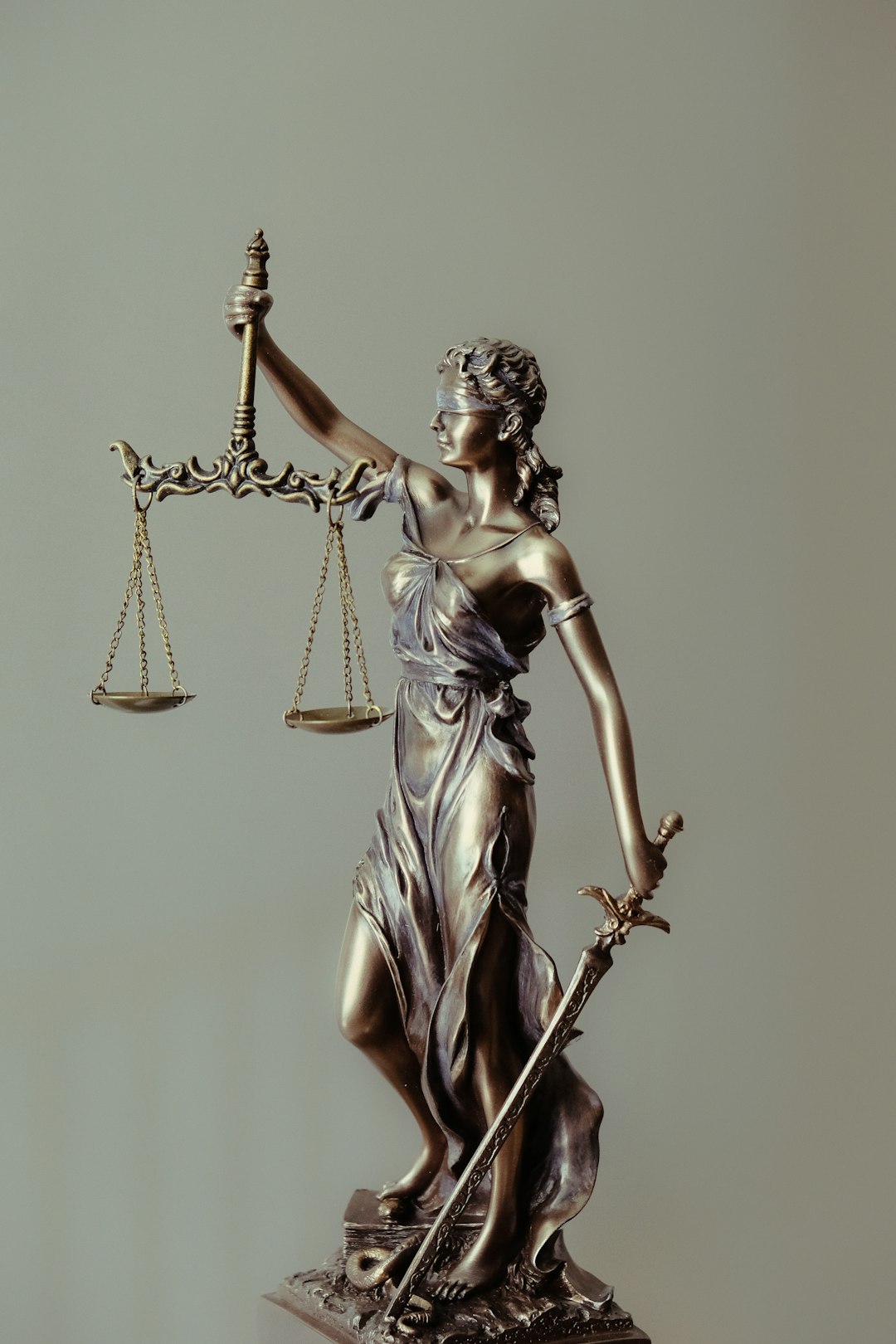
In response to persistent violators and growing consumer complaints, there is a pressing need for stricter enforcement of Washington’s Do Not Call laws. Lawyers playing a pivotal role in ensuring compliance must be adept at interpreting and applying these regulations. A comprehensive strategy involves first understanding the specific provisions, such as the requirement for registrants to implement robust internal policies and procedures to prevent calls to listed numbers. For instance, a lawyer for Do Not Call Laws Washington could advise clients on the importance of training staff on the law’s nuances, utilizing technology to automate compliance, and establishing clear protocols for handling consumer complaints.
Practical insights are crucial in this landscape. Lawyers should guide clients to maintain detailed records of call histories, training sessions, and policy updates. They must also be prepared to defend against enforcement actions by demonstrating these proactive measures. Data suggests that non-compliance carries significant financial penalties; therefore, helping clients anticipate and mitigate risks is essential. For example, a lawyer could assist in crafting effective opt-out mechanisms, ensuring compliance with the law’s technical requirements, and providing regular audits to identify potential issues.
Moreover, staying abreast of legislative changes and regulatory updates is vital. Lawyers should advise clients on adapting their practices as laws evolve, emphasizing continuous improvement in compliance measures. By offering specialized guidance tailored to Washington’s legal framework, lawyers can empower businesses to navigate the do-not-call regulations with confidence, fostering a culture of ethical telemarketing practices throughout the state.