Do-Not-Text Laws in Washington: A Comprehensive Analysis
Introduction
In the digital age, where smartphones have become ubiquitous and text messaging a primary mode of communication, the importance of establishing clear guidelines for digital interaction has never been more pressing. Washington's "do-not-text-laws" represent a pioneering approach to addressing issues arising from electronic distractions that pose significant safety risks, particularly on roadways. This article delves into the intricacies of these laws, their impact on society, and what they mean for the future of safe technology use.
Understanding Do-Not-Text Laws in Washington
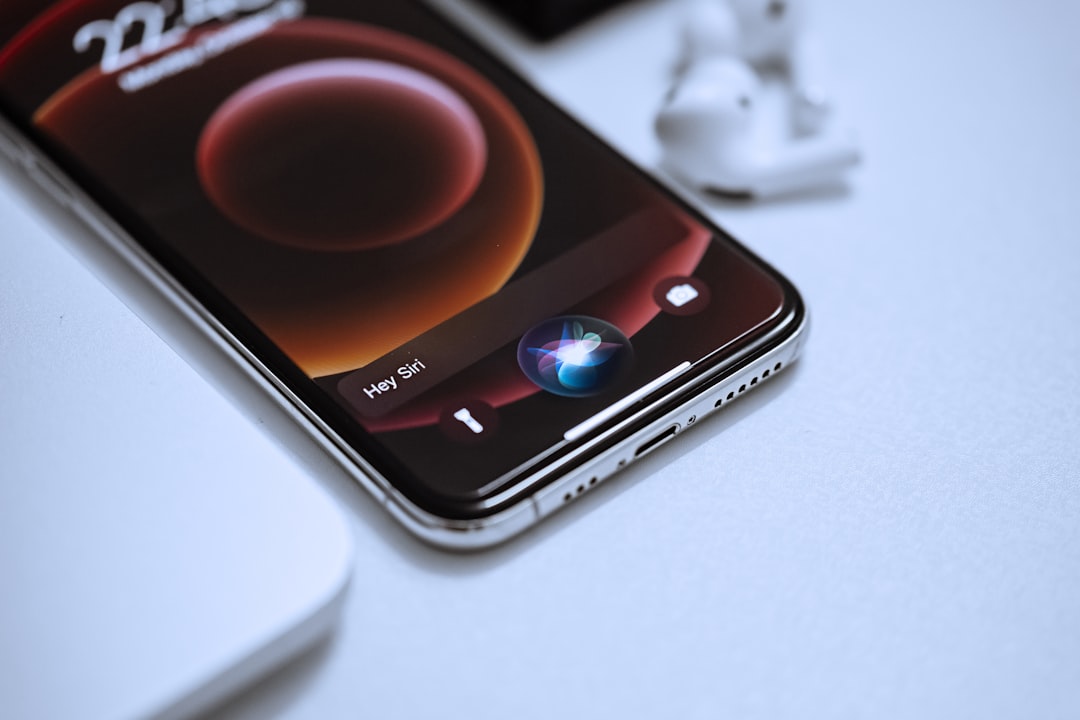
"Do-not-text-laws" in Washington are legislative measures designed to prevent drivers from composing, sending, or reading text messages while operating a vehicle. These laws recognize the cognitive distraction that texting introduces, which can significantly impair driving abilities and lead to accidents. The core components of these laws include prohibitions on hand-held device use for texting, specific fines and penalties for violations, and provisions for limited exceptions such as reporting emergencies or using certain apps with voice commands.
Historically, Washington's approach to texting while driving evolved from a complete ban on hand-held cell phone use in 2007 to the current "do-not-text-laws" enacted in 2017. These laws are part of a broader movement across the United States and globally to curb distracted driving.
Global Impact and Trends
The influence of Washington's "do-not-text-laws" extends beyond its borders, as other jurisdictions worldwide consider similar measures. The trend indicates a growing recognition that texting while driving is a global concern, with varying legislative approaches to address it. For instance, countries like the United Kingdom and Australia have implemented comparable regulations, while others are conducting studies to understand the impact of these laws on road safety.
The effectiveness of "do-not-text-laws" is a subject of ongoing research, with data collected from various regions providing insights into the reduction of accidents and the behavioral changes among drivers. The global impact of these laws underscores the need for international cooperation in promoting safe technology use.
Economic Considerations
The economic implications of "do-not-text-laws" are multifaceted, influencing market dynamics, investment patterns, and economic systems. On one hand, these laws can negatively impact businesses that rely on text messaging for customer engagement, such as retailers and service providers. On the other hand, they encourage the development of alternative communication technologies that comply with safety regulations, fostering innovation in app design and voice-activated systems.
Investment in technological solutions that aid compliance with "do-not-text-laws" has been significant, with venture capital flowing into startups offering safe alternatives for driver communication. Additionally, the reduction in accidents and associated insurance claims can lead to long-term economic benefits by lowering healthcare costs and reducing vehicle damage expenses.
Technological Advancements
Technology has been both a catalyst for change and a challenge to address within the context of "do-not-text-laws." Advancements in artificial intelligence, machine learning, and predictive analytics have led to the development of sophisticated apps that can read texts aloud or automatically respond to messages without requiring driver input. These technologies not only comply with safety laws but also enhance the driving experience by providing hands-free operation.
Future technological advancements may include more robust voice recognition systems and real-time traffic updates integrated into vehicle systems, further reducing the temptation to text while driving. The continuous evolution of these technologies will play a crucial role in shaping the effectiveness of "do-not-text-laws."
Policy and Regulation
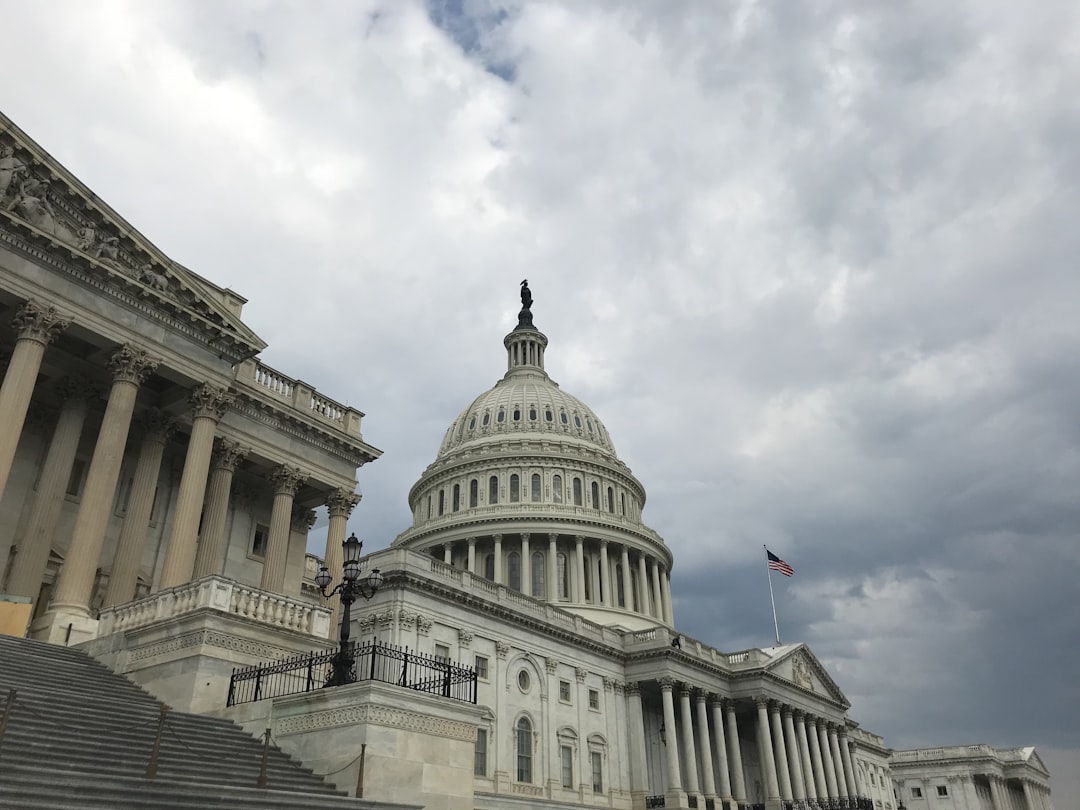
The legislative framework governing "do-not-text-laws" in Washington is comprehensive, encompassing clear definitions, enforcement protocols, and educational campaigns. At the federal level, the Federal Communications Commission (FCC) has policies that address distracted driving as it relates to the use of mobile phones. State and local governments also have a role in ensuring compliance through targeted law enforcement efforts.
These policies are designed to harmonize safety with technological innovation, balancing the rights of consumers with the need to prevent accidents caused by distraction. The regulatory environment is dynamic, adapting to new technologies and emerging research on the effects of distracted driving.
Challenges and Criticisms
Despite the well-intentioned nature of "do-not-text-laws," challenges and criticisms have surfaced. One of the primary concerns is enforcement, as law enforcement agencies must discern whether a driver is texting legally permissible content or something prohibited, such as browsing the internet. Privacy advocates also raise concerns about the potential for invasive surveillance to monitor compliance with these laws.
To address these issues, strategies such as improved officer training, public awareness campaigns, and the development of unobtrusive monitoring technologies can be implemented. Additionally, involving stakeholders from various sectors—including technology companies, law enforcement, and safety advocates—in the policymaking process can lead to more effective and equitable laws.
Conclusion
Washington's "do-not-text-laws" represent a critical step in addressing the dangers of distracted driving. The state's experience offers valuable insights for other jurisdictions considering similar legislation. As technology continues to advance, these laws will evolve, adapting to new challenges and opportunities. The collective efforts of policymakers, technologists, and citizens will determine the future effectiveness of "do-not-text-laws" in saving lives and promoting safer roads.
October 23, 2025
Do Not Text Laws Washington Expert
Washington state has taken a significant step in protecting its residents from unwanted phone calls with the expansion of 'Do Not Call' protections. The new law grants cell phone users enhanced privacy, limiting telemarketing calls and providing relief from persistent robocalls. This comprehensive a.......
Read more →
October 21, 2025
Do Not Text Laws Washington Expert
Consumers in Washington state affected by spam calls have legal options through specialized Spam Call law firms. These firms help navigate laws against unsolicited telemarketing, offering representation in court or negotiations for compensation and call restrictions. Choose a firm with a proven trac.......
Read more →
October 19, 2025
Do Not Text Laws Washington Expert
Telemarketers in many regions are legally required to reveal their identity within 30 seconds, per Do Not Call Attorney Washington regulations. This transparency is crucial for consumer protection, empowering them to make informed choices and opt-out of unwanted calls. It's also a strategic mov.......
Read more →
October 17, 2025
Do Not Text Laws Washington Expert
In Washington state, individuals facing unwanted telemarketing calls can protect their privacy by consulting a lawyer specializing in Do Not Call Laws and the Telephone Consumer Protection Act (TCPA). These laws empower residents to register their numbers on the National Do Not Call Registry and see.......
Read more →
October 15, 2025
Do Not Text Laws Washington Expert
Washington state has introduced stringent 'Do Not Call' regulations to protect residents from unwanted telemarketing calls, with enhanced penalties for repeat offenders. The Do Not Call Attorney Washington plays a crucial role in enforcing these laws, assisting residents in registering on.......
Read more →
October 14, 2025
Do Not Text Laws Washington Expert
Washington State consumers have powerful Do Not Call laws protecting against robocalls and unsolicited telemarketing. Registering with the official list stops marketing calls. Consumers can revoke consent for robocalls at any time, and seeking legal guidance from a specialized lawyer ensures effecti.......
Read more →
September 19, 2025
Do Not Text Laws Washington Expert
Washington state's strict "Do Not Call" laws require law firms using autodialing systems for telemarketing to obtain prior written consent from recipients. This regulation aims to protect residents' privacy and preferences, ensuring they don't receive unsolicited marketing c.......
Read more →
September 16, 2025
Do Not Text Laws Washington Expert
Washington's TCPA and Mini TCPA laws protect residents from intrusive phone calls, especially robocalls, by restricting non-consensual marketing calls to "Do Not Call" list numbers. These regulations hold law firms accountable, reducing unsolicited calls and empowering residents to co.......
Read more →
September 14, 2025
Do Not Text Laws Washington Expert
In Washington state, consumer privacy is protected by strict telemarketing regulations, including the Do Not Call Law. Residents can register their numbers to prevent unsolicited calls for one year. Telemarketers must obtain consent or face legal consequences. Persistent calls despite registration m.......
Read more →
September 12, 2025
Do Not Text Laws Washington Expert
Washington's "do not call" laws protect residents from unwanted telemarketing with opt-out rights and strict penalties for violators. A Do Not Call Lawyer Washington ensures compliance, offers legal protection, and seeks injunctions against harassment. Victims can file injunctions, st.......
Read more →